Introduction
In an era where communication is the cornerstone of business success, choosing the right telecommunication system has never been more vital. With the advent of Voice over Internet Protocol (VoIP) technology, businesses are presented with a plethora of options that promise cost efficiency, flexibility, and advanced features. This article aims to be your comprehensive guide in navigating the complex landscape of VoIP phone systems. By exploring various features and benefits, we will provide you with insights that can help you make informed decisions for your business communication needs.
Understanding VoIP Phone Systems
What are VoIP Phone Systems?
VoIP phone systems utilize the internet to transmit voice calls rather than traditional telephone lines. This technology converts voice signals into digital data packets, which are then sent over the internet. The advantages include lower costs for long-distance calls and a wide array of features that enhance communication.
How Do VoIP Phone Systems Work?
The core mechanism behind VoIP involves converting analog voice signals into digital format. When you speak into a VoIP phone, your voice is digitized and transmitted as data packets over the internet. These packets reach their destination nearly instantaneously, where they are converted back into audible sounds.
Key Components of a VoIP System
VoIP Phones: These can be physical devices or softphones (software-based). Internet Connection: A reliable high-speed internet connection is crucial. Router: It routes data packets between your network and the internet. VoIP Service Provider: They facilitate call routing and offer additional services.The Ultimate Comparison of VoIP Phone Systems: Features and Benefits
Cost Efficiency
One of the most appealing aspects of VoIP phone systems is their cost-effectiveness compared to traditional analog systems. Businesses can save significantly on long-distance calls since these calls are transmitted over the internet without incurring hefty fees associated with conventional telephone services.
Scalability and Flexibility
VoIP systems offer unparalleled scalability, allowing businesses to easily add or remove lines based on their needs without significant infrastructure changes. This flexibility makes it an ideal choice for growing businesses that anticipate fluctuations in staffing or call volume.
Advanced Features
VoIP phone systems come equipped with various features that enhance productivity:
- Call Forwarding: Redirect calls to any number, ensuring you never miss important communications. Voicemail-to-Email Transcription: Receive voicemail messages transcribed directly to your email inbox. Video Conferencing: Facilitate face-to-face meetings through integrated video capabilities.
Mobility Options
With remote work becoming increasingly popular, mobility is essential for modern businesses. Many VoIP phone systems allow users to make and receive calls from anywhere using smartphones or laptops equipped with VoIP software.
Types of VoIP Phone Systems
Hosted VoIP Solutions
These are cloud-based services managed by third-party providers. Users don’t have to invest in expensive hardware; instead, they pay monthly subscription fees based on their usage.

On-Premises VoIP Systems
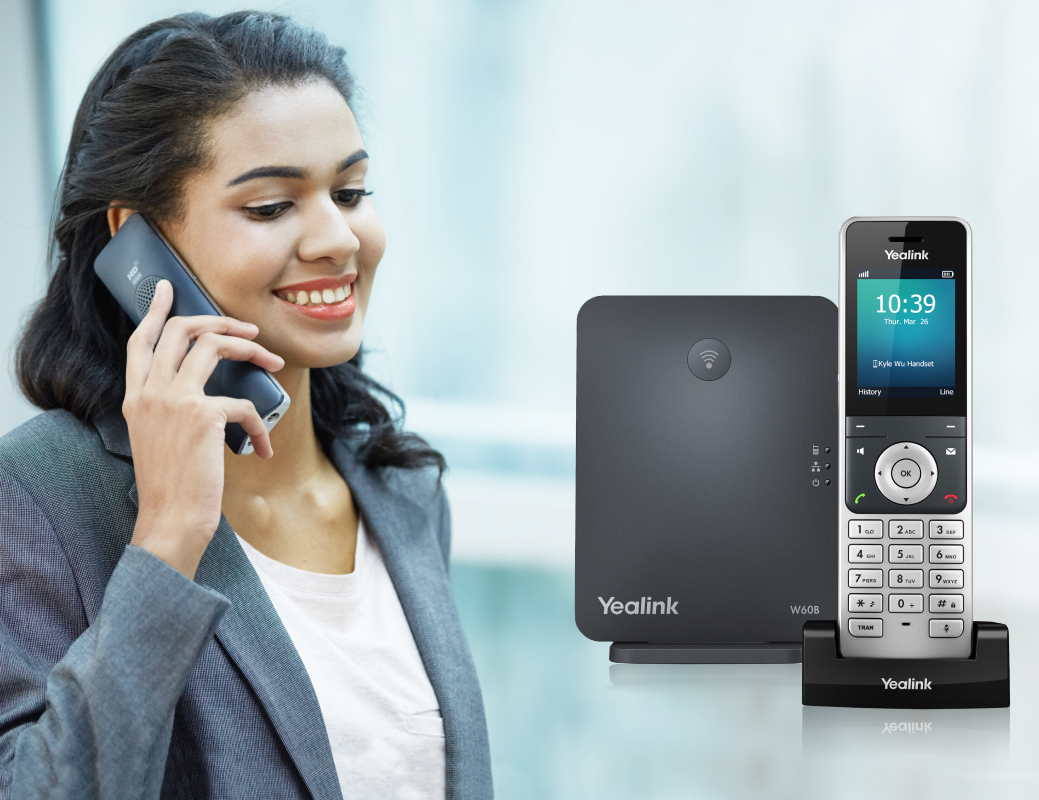
These require purchasing hardware that resides on-site within a company’s premises. While this option might involve higher upfront costs, it provides complete control over the system.
Advantages:
- Greater customization options Potentially lower long-term costs
Disadvantages:
- Higher initial investment Requires IT personnel for maintenance
Evaluating Key Features in VoIP Phone Systems
Call Quality Assurance
Quality should be non-negotiable when evaluating any telecommunication service. Look for providers offering Quality of Service (QoS) settings that prioritize voice traffic over other types of data.
Customer Support Services
Robust customer support is essential for resolving issues quickly. Choose providers who offer 24/7 support through multiple channels like chat, email, or phone.
Integration Capabilities with Other Software
Many businesses rely on Customer Relationship Management (CRM) systems such as Salesforce or HubSpot. Ensure your chosen VoIP provider offers seamless integration with these tools for improved workflow efficiency.
Comparative Analysis of Leading VoIP Providers
| Provider | Pricing | Key Features | Customer Support | |------------------|---------------|-------------------------------------|-----------------------| | Provider A | $20/month | Unlimited calling; Call forwarding | 24/7 chat support | | Provider B | $15/month | Video conferencing; Call recording | Email support only | | Provider C | $30/month | CRM integration; Advanced analytics | 24/7 phone support |
Potential Drawbacks of Using VoIP Phone Systems
While there are numerous benefits associated with using a VoIP phone system, potential drawbacks must not be overlooked:
Dependence on Internet Connection: Poor connectivity can adversely affect call quality. Power Outages: Unlike traditional landlines that often work during power outages, most VoIP services require electricity. Security Risks: Being connected to the internet exposes your communication system to potential cyber threats if proper security measures aren't implemented.
FAQs About VoIP Phone Systems
1. What is the primary benefit of using a VoIP phone system?
The primary benefit is cost savings on long-distance calls combined with advanced features like video conferencing and voicemail-to-email transcription.
2. Are there any special hardware requirements for using a VoIP phone system?
While some users may prefer dedicated IP http://sethoyqq699.image-perth.org/enhancing-remote-team-collaboration-via-integrated-voip-solutions phones, many softphone applications allow you to use standard computers or smartphones without specialized hardware.
3. How does call quality compare between traditional phones and VoIP?
Call quality in a well-managed network should be comparable to traditional phones; however, it can suffer if bandwidth limitations exist or during peak usage times.
4. Can I keep my existing phone number when switching to a VoIP provider?
Yes! Most reputable providers offer number portability services allowing you to retain your existing number during the transition process.
5. Is customer support readily available with most providers?
Most reputable providers offer extensive customer support via various channels like chat, email, or dedicated hotlines available around-the-clock.
6. What security measures should I consider when choosing a VoIP provider?
Look for features such as encryption protocols (like TLS/SRTP), firewalls designed specifically for voice traffic, and comprehensive monitoring solutions against unauthorized access attempts.
Conclusion
The world of telecommunications is evolving rapidly as businesses shift towards more efficient methods like Voice over Internet Protocol (VoIP). The Ultimate Comparison of VoIP Phone Systems: Features and Benefits has highlighted various aspects ranging from cost efficiency and flexibility to advanced functionalities that cater to modern-day business needs.
As you embark on selecting a suitable system for your organization, consider factors such as pricing structures, key features offered by different providers, and how well those align with your business goals. By taking these elements into account—coupled with diligent research—you'll be well-equipped to make an informed decision that enhances both internal communications and customer interactions alike!
In summary, whether you're an established enterprise looking to upgrade or a startup seeking cost-effective solutions without sacrificing quality—exploring the myriad possibilities offered by modern-day voip telephone systems could very well lead you toward unprecedented success!